According to this NPR article, 86% of wild canola plants in North Dakota contain genetically modified genes. This isn’t a problem for the environment; the pesticide-resistant plants are no more fit in the wild. They basically behave like normal canola unless someone sprays pesticides on them. On the other hand, it is a huge problem for patent law.
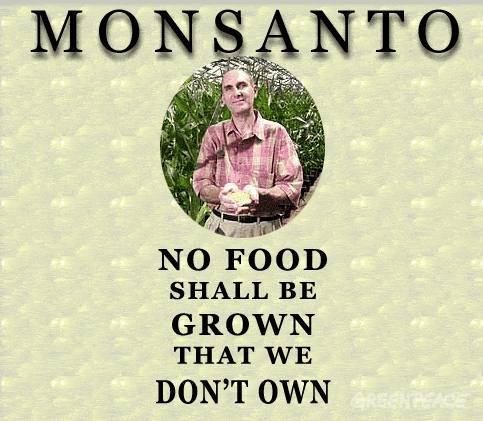
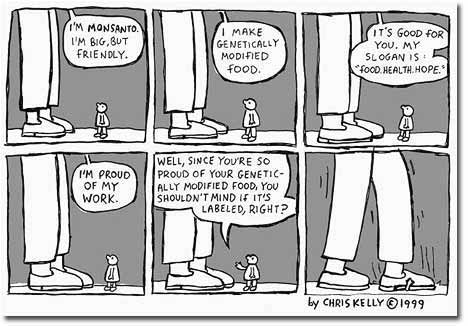
Monsanto, the company that developed Roundup Ready Canola, holds a patent on it, and 86% of North Dakota’s wild canola fields are infringing that patent. Patent liability doesn’t require intent, or even knowledge; if you are using a composition of matter that someone else patented, you can be sued. Percy Schmeiser found that out the hard way when Monsanto took him to court for planting Roundup Ready Canola on his farm in 1998.

In 1997 Schmeiser found that some of his crops were resistant to Roundup. He didn’t intentionally plant Monsanto’s product – some seeds might have fallen off a truck or blown on to his property from a neighboring farm. Discovering this happy accident, Schmeiser saved the seeds from those plants and replanted his fields the following year using the resistant seeds. Monsanto sued him for patent infringement and won; luckily for Schmeiser the court found that, since he hadn’t used Roundup on his crops he had received no benefit from the infringement and so owed no damages.
The specific facts of the Schmeiser case are a bit more complicated than that and it happened in Canada, so the legal details of the decision are not important. The main issue, however, is very relevant. U.S. statute and case law explicitly permits patenting living things. And it is one of the defining attributes of a living thing that it can reproduce itself. What happens when a patented organism comes into your posession literally on its own volition? As I said, it’s no defense to show you didn’t know you were infringing a copyright.
Monsanto is certainly not a nice company, but they seem to be just protecting their core business. There are other people out there who are not so benevolent, and the current patent law presents a serious liability issue. We have patent trolls in the tech industry- is it so far fetched to imagine one of them patenting a computer virus? Suppose it actually helps your computer run more efficiently, but is impossible to detect. The troll could come in and sue you for copyright infringement and collect damages for all the benefits you gained from his program.

If it can happen in software, why not in biology? Surely someone could create and patent a new organism whose main goal was to spread itself as widely as possible and implicate as many people as possible in patent infringement. He would of course have to be clever about how he worded his patent application, but I have no doubt it could be done. Depending on how good his organism was, pretty soon he could sue anyone he wanted.
Patents grant their owners a temporary monopoly on their inventions. When we allow patents on things that you can “use” without your knowledge, though, we open the door to people forcing you to pay for goods you didn’t want in the first place. I’m not really sure what the best solution to this problem is. I do think organisms should be patentable, so I guess I would have to take a look at the strict liability aspect of the law. In copyright, for example, if you can prove you never knew about the copyrighted work then you are not liable for infringement. There may be a good reason why patent law is different, though – I just don’t know what it is.





 Yale Law Tech